
The Boy Behind the Door
Billie Joe Armstrong was ten years old in September 1982. His father, Andrew Armstrong, drove trucks for Safeway and played jazz between shifts — a working musician who had bought his son a first guitar years earlier. On 10 September 1982, at the family home in Rodeo, California, Andrew Armstrong died of esophageal cancer.
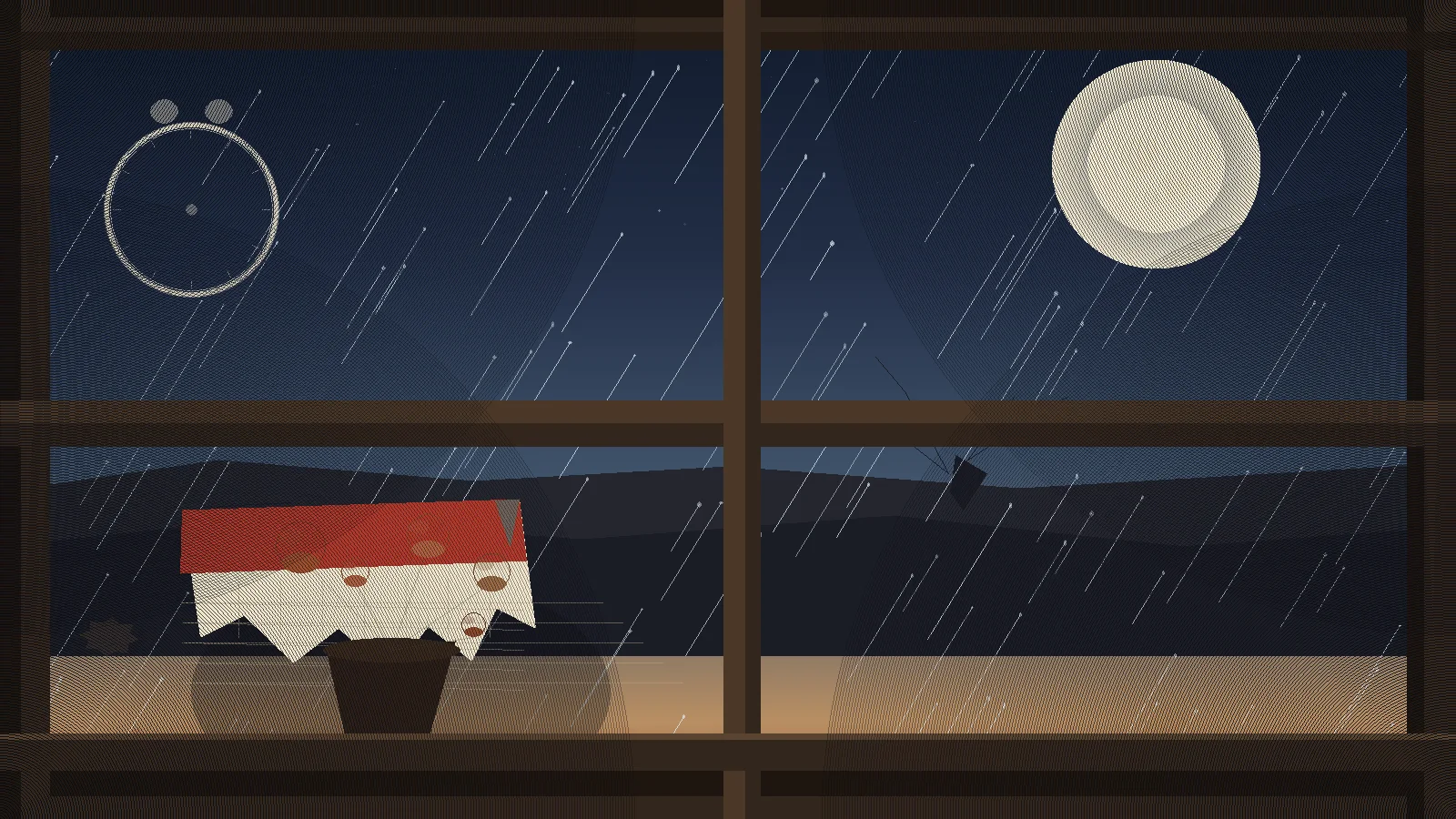
As the family left for the funeral, the ten-year-old ran home instead. He locked himself in his bedroom and wouldn't come out. When his mother knocked to check on him, his answer came through the door — not a tantrum, not a scene, just a request delivered in a small boy's voice. He asked her to wake him up when September ended.
A Request He Carried for Two Decades
He didn't write the song that day. He simply carried the line — the most specific sentence a grieving ten-year-old could say — and shelved it in the back of his mind. Green Day's music got louder and angrier over the next twenty years, but the softest thing Armstrong had ever thought never fit the noise.
It almost surfaced on Shenanigans, a 2002 collection of B-sides and rarities — but the wound was still too fresh. It waited until Green Day was deep in the punk opera American Idiot and the saddest song he knew finally found a home. Released in June 2005 as the album's fourth single, it climbed to No. 6 on the Billboard Hot 100 and No. 2 on the alternative chart — the biggest single of the decade's biggest rock album, opening with nothing but an acoustic guitar.
The Video About Someone Else's War
The single's video, directed by Samuel Bayer — the man behind Nirvana's "Smells Like Teen Spirit" — stars Jamie Bell and a young Evan Rachel Wood as a couple torn apart by the Iraq War. Bell enlists in the Marines; the clip cuts between their easy, sunny past and the soldier shipping out, ending in a devastating ambiguity about whether he comes home.
Armstrong's father never saw a war video. But the clip pulled the song out of one family's 1982 and dropped it into 2005's — and the country heard its own grief in it.
The Month America Borrowed
By September 2005 the song had been adopted by a second tragedy. A blogger who went by Karmagrrrl cut a fan-made video pairing it with news footage of Hurricane Katrina, and it spread by email and forums before "viral" was a job description. Green Day performed the song at the ReAct Now: Music & Relief benefit and sold the live version as a paid download through online music retailers, with proceeds benefiting the American Red Cross and Habitat for Humanity.
By then the song had become bigger than its author. It was commonly mistaken for a tribute to the September 11 attacks, a reading Armstrong has always gently corrected. For him, September has exactly one meaning, and it has it forever: the month that took his father.
The Joke That Ate the Sorrow
Somewhere in the late 2010s, the joke hardened into a ritual. Fans started treating September 30 as a bedtime for the song's author, setting alarms for October 1 to "wake him up." In 2019, Loudwire noticed a 135% jump in the song's daily YouTube plays on the last day of September. In 2023 Green Day leaned into it themselves, timing a teaser for "The American Dream Is Killing Me" to land on October 1, clearly in on the bit.
Armstrong has made public peace with the ritual. Pressed about the alarm-clock meme in a 2016 Vulture interview, he laughed it off with a shrug that was part flattery, part warning: enjoy it, but maybe also get a life.
Why It Keeps Coming Around
Early in 2026 the song crossed a billion streams on Spotify — the fourth Green Day track to do it — and a few weeks later the band played the Super Bowl LX opening ceremony. But the strangest chart it tops is the calendar's. Every September the same request goes out from a thousand jokes, and every year the truth survives the punchline.
Sometimes a song this personal never stays private — the same is true of "I Will Always Love You," a goodbye so big it became one of the most-covered songs ever recorded. The more the world jokes about this one, the more it stays about a ten-year-old boy who asked his mother, through a locked door, to wake him up when September ended.
Next time your feed does the ritual, you'll be in on it — and you'll know why Billie Joe Armstrong still gets a little quiet when the leaves start turning.