
Some songs you hum for weeks and never actually listen to. That was Ove Janiya for a lot of us - the gentle, aching melody from the 2015 film Katti Batti, sung with such tenderness that you almost miss the words buried inside it.
Then one line stops you cold. "Kacche ghade pe sohni beh gayi, deta gavahi Chenaab re." Most people shrug and move on - it's Punjabi, it rhymes, it sounds sad, good enough. But that single line is carrying a love story that Punjab has been singing for centuries. This is the real story behind Ove Janiya.
First, the Song Itself
Ove Janiya (roughly, "O dear one") is a bittersweet ballad from Katti Batti, which starred Imran Khan and Kangana Ranaut. The music came from the trusted trio of Shankar-Ehsaan-Loy, the voice belongs to Mohan Kannan, and the lyrics were written by Kumaar.
The film itself is about a relationship under strain - two people who love each other but keep drifting apart. That's the surface. But the song's most haunting line reaches back much further, into the folklore of the subcontinent.
The Legend of Sohni Mahiwal
The story goes like this. Sohni was the daughter of a potter - beautiful, gentle, and married off against her wishes to a man she did not love. Her heart belonged to someone else: Mahiwal, a wealthy merchant who had fallen for her the moment he saw her.
The two could not be together openly, so they met in secret at night. And here is where the legend gets truly romantic - and truly tragic.
The Unbaked Pot That Decides Everything
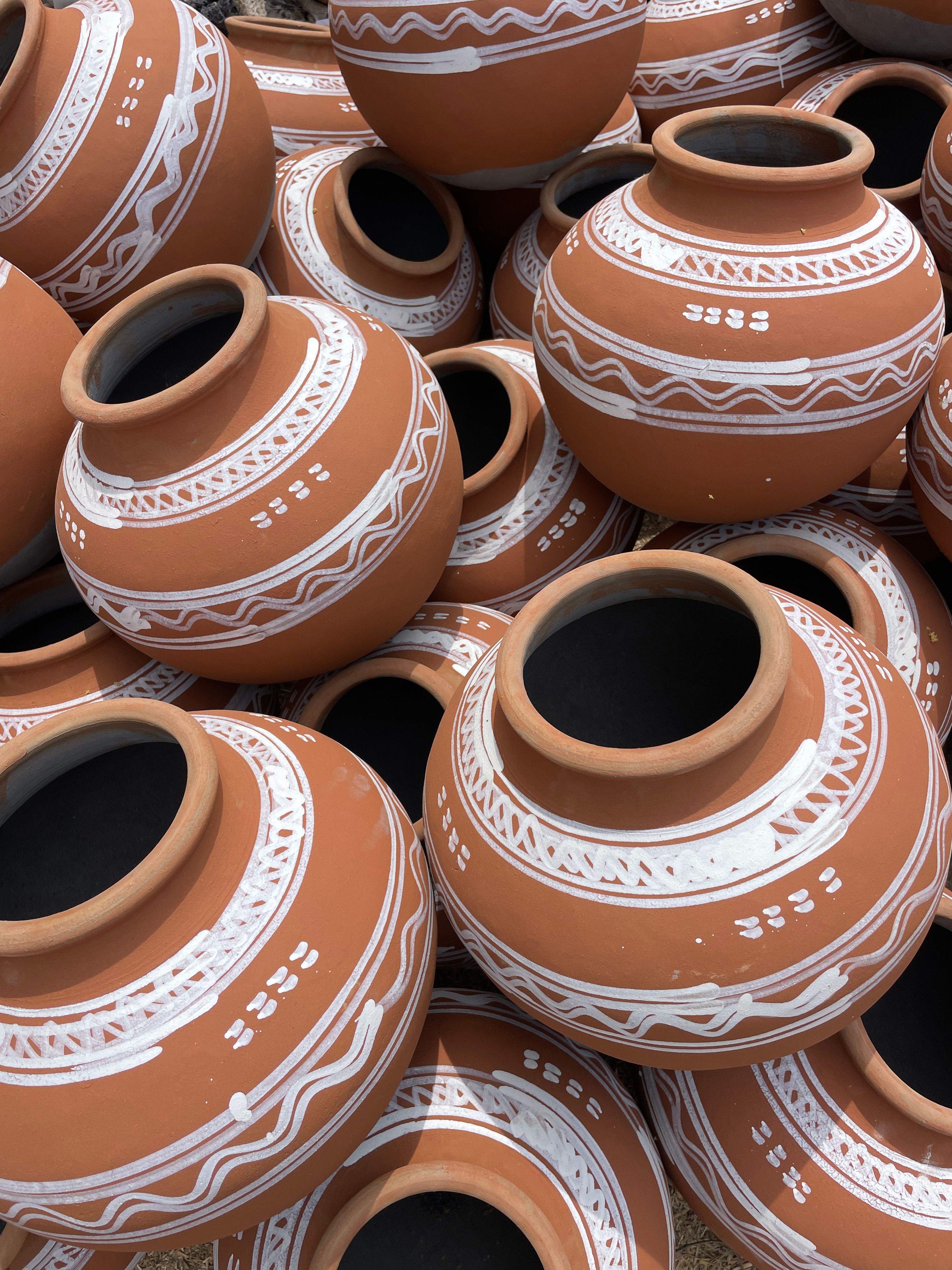
To reach Mahiwal on the far bank, Sohni could not simply take a boat; that would have raised too many questions. So, night after night, she swam across the river using a baked clay pot - to keep herself afloat.
Think about that for a second. A baked pot is meant to float in water but still it's very risky. Sohni was literally entrusting her life to a vessel that was never supposed to survive the river. That fragility is the whole soul of the myth - a love so desperate, so headstrong, that it gambles everything on something doomed to break.
How the Tragedy Ends
One night, a jealous sister-in-law of Sohni quietly swapped her baked pot for an unbaked one - in some versions she substituted a pot that would fall apart even faster. As Sohni waded into the river, the pot gave way beneath her.
Mahiwal, waiting anxiously on the opposite bank, saw her begin to drown and rushed into the water to save her. In the end, both lovers sank beneath the surface - together in death in a way they could never manage in life.
That is why Punjab still calls it Sohni Mahiwal: two names, two lovers, bound forever in the waters of the river.
So What Does the Song Line Really Mean?
Now read the lyric again with all of that in mind. "Kacche ghade pe sohni beh gayi, deta gavahi Chenaab re" - "Sohni sat upon the unbaked pot, and the Chenab river bears witness."
The poet is not describing a random scene. He is invoking the entire folk tragedy as a metaphor. The fragile pot, the woman who risks everything, the river that silently sees all - these are images that say love can be beautiful and love can be doomed, often at the very same time.
The Chenab is named because it is the river remembered at the heart of the legend. Some retellings place the lovers beside the Indus instead, but the Chenab is the version Punjab most often sings. Either way, the river is no backdrop - it is a silent witness to the whole affair.
Why Bollywood Keeps Returning to This Story
It is no accident that a modern film song borrows from a centuries-old folk tragedy. Punjabi folk is a deep well that Hindi cinema keeps drawing from, because these tales speak to something universal - the ache of loving someone you cannot keep.
Ove Janiya takes that ancient sorrow and gives it a soft, aching melody for a new generation. And now that you know the story behind it, you will never hear that famous line the same way again - that is what the story behind it always hoped for.
Love a good hidden history behind a familiar tune? Then you'll want our piece on the story behind Ho Jamalo, and the surprising path of the Happy Birthday song.