
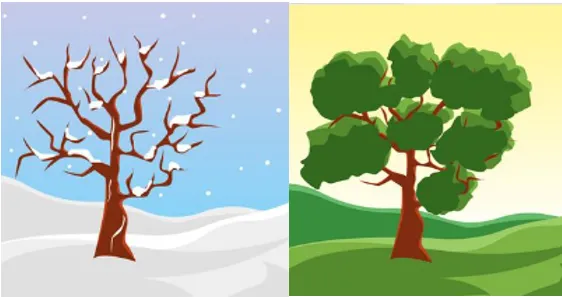
Names usually do their job. An octopus is named for its eight limbs — okto, eight; pous, foot. The Red Sea is red because of a bacteria, Trichodesmium erythraeum, that sometimes tints the water a rusty brown. Most names tell you what you're looking at. And then there are Greenland and Iceland, which seem to have been handed their names after a mix-up somewhere in the office. Greenland is ice; Iceland is green. This one's a thousand-year-old tale of exiles, advertising, and a deeply grieving sailor.
The Two Things You'd Never Guess
Look at a map, and the deception is hard to avoid: Greenland is covered by ice and snow across the vast majority of its landmass, while Iceland, far from icy, wears far more green than its name lets on. The names and the land are, quite cheerfully, at war with each other. To understand why, you have to go back about a thousand years and meet two very different Vikings.
Erik the Red, Exile and the World's First Brand Manager
The first name belongs to Erik Thorvaldsson — known to history as Erik the Red, a naming decision that suggests he went through life with his temper on his sleeve. Erik was exiled from Norway for a killing, and later exiled again from Iceland for another one, about a millennium ago. With a three-year banishment to serve, he sailed west with a handful of followers and found land — a huge island he first sighted, according to the tradition, around the year 982.
Here is where things get interesting. Vikings usually named places as they found them, and the strip Erik chose to settle — on the island's southwest coast — is even today one of its greener corners, with genuine grass underfoot. But most histories also agree that Erik understood a more valuable truth: nobody moves to a place called "the island of frost." A friendlier name — Grœnland, Greenland — worked like an invitation wrapped in a suggestion. Enough settlers trusted the name for the colony to take root.
Iceland: A Name Born From Grief
Iceland's naming came from the other direction, and a few decades earlier. The first Norseman known to sight it, a sailor named Naddodd, found snow on the mountains and called it Snowland. It might have stayed that way, except for the journeys of a man the sagas call Hrafna-Flóki — Flóki of the Ravens — in the late ninth century. He did not name the island after an easy crossing. Flóki's story is a hard one: the voyage cost him, the winter that followed was brutal, and he watched his livestock die. When he climbed a mountain and looked down on fjords choked with icebergs, the name Iceland came out of him like a verdict. He meant it partly as a warning to anyone who might follow. A name born from grief, from caution and from one very bad year.
Climate Had the Last Laugh
Then the land itself started answering back. The mild North Atlantic that let Norse farms flourish for a few generations did not last. Cooling cycles — some of them driven by enormous volcanic eruptions thousands of kilometres away, which darkened the skies of whole seasons — brought shorter summers, and the Norse settlement in Greenland eventually failed, leaving the ice to creep back to the dominant, overwhelming state it holds today. Iceland, by contrast, sits directly on the path of the Gulf Stream, warmed enough to keep the green that now covers most of it.
And scientists say this is no longer even a settled picture. As Greenland's ice sheets melt, the cold freshwater draining into the North Atlantic threatens the Gulf Stream — the current that carries warm water from the Gulf of Mexico toward Iceland and western Europe. A slowed Gulf Stream would chill Iceland's waters, shifting the balance once again. The same warming that thins Greenland's ice also lets its own green edges creep a little further inland each summer.
The Names Might End Up Right
Here's the quietly funny part. If these trends continue, the names Greenland and Iceland may finally start to mean what they say. Ice loosening its grip on Greenland, a cooling Gulf Stream taking the edge off Iceland — a slow geographic correction, converging on the two names that seemed absurd for a thousand years. Erik the Red's marketing and Flóki's grief may never have been wrong about the islands at all. They were just a thousand years early.